
7372 Woida Rd N Baxter, MN 56425

When Pets Get Older: How to Keep Them Healthy and Comfortable

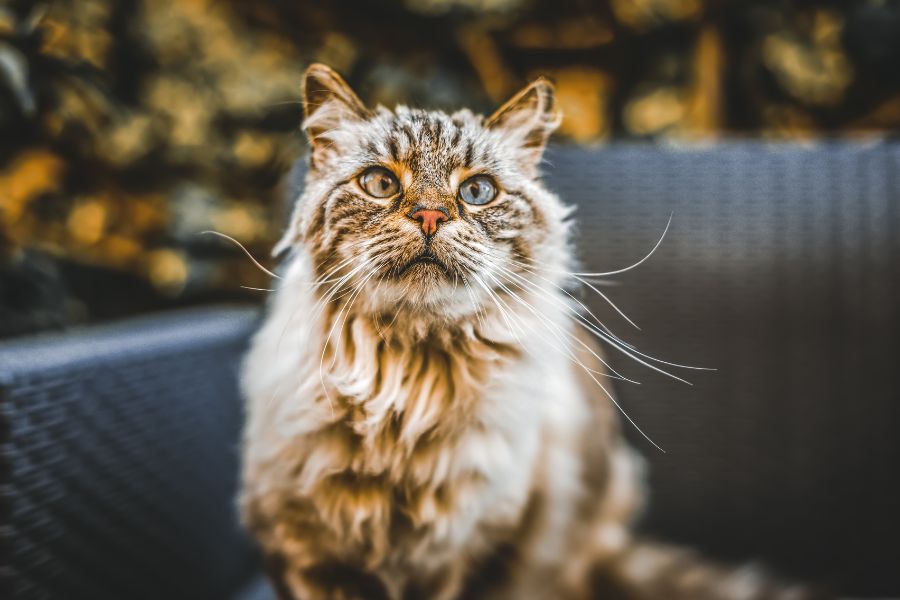
As dogs and cats get older, their needs can change in ways that are easy to overlook. A pet may slow down, sleep more, gain or lose weight, or become less interested in activities they once enjoyed. Some changes are a normal part of aging, while others may be early signs of a health problem.
For pet owners in Baxter, MN, understanding these changes can make it easier to support an aging dog or cat. Regular veterinary visits, appropriate nutrition, dental care, exercise, and monitoring at home can all contribute to better comfort and quality of life.
Senior pet care focuses on more than treating problems after they appear. It involves watching for subtle changes, identifying potential health concerns early, and adjusting your pet’s routine as their needs evolve. Here’s what you should know about keeping an older pet healthy and comfortable.
What Changes Should You Expect as Your Pet Ages?
Older pets commonly experience gradual changes in mobility, energy, weight, appetite, and behavior. However, significant or sudden changes should not automatically be considered a normal part of aging.
Senior dogs and cats may develop age-related conditions involving their joints, teeth, kidneys, heart, thyroid, or other organs. Routine examinations can help detect these concerns before noticeable symptoms become more advanced.
Pay attention to changes such as:
- Difficulty getting up, climbing stairs, or jumping
- Sleeping much more or becoming unusually tired
- Changes in appetite or water consumption
- Weight gain or unexplained weight loss
- Bad breath or difficulty eating
- Increased confusion, anxiety, or vocalization
- Changes in bathroom habits
- Reduced interest in play or interaction
Keeping track of these changes can give your veterinarian valuable information during wellness visits.
How Can You Keep an Older Pet Healthy?
The best approach combines preventive veterinary care with simple adjustments at home. Your pet’s needs will depend on their age, species, breed, health history, and lifestyle.
Schedule Regular Wellness Examinations
Older pets benefit from consistent veterinary monitoring because some health problems develop gradually without obvious outward signs. During an examination, your veterinarian can assess your pet’s weight, mobility, teeth, heart, and overall condition and recommend additional testing when appropriate.
Routine preventive veterinary care can also help keep vaccinations, parasite prevention, nutrition, and other aspects of your pet’s health on track.
Support Healthy Nutrition and Weight
A healthy weight becomes especially important as pets age. Carrying excess weight can place additional stress on aging joints and make movement more difficult.
Your veterinarian can help determine whether your pet’s current diet and feeding routine remain appropriate. Weight changes should also be monitored rather than assumed to be a normal consequence of getting older.
Keep Your Pet Moving
Regular, appropriate activity can help older pets maintain muscle strength, mobility, and mental stimulation. The right amount of exercise depends on your pet’s physical condition.
Gentle walks, controlled play, or other low-impact activities may be appropriate for some senior pets. If your pet appears painful, unusually tired, or reluctant to move, a veterinary evaluation can help determine what may be causing the change.
Pay Attention to Dental Health
Dental disease can become increasingly important as pets age. Plaque and tartar can contribute to painful inflammation, damaged teeth, and other oral health problems.
Watch for bad breath, dropping food, chewing differently, pawing at the mouth, or reluctance to eat. Regular examinations and professional pet dental care can help protect your pet’s oral health.
How Can You Make Home More Comfortable for a Senior Pet?
Small changes around the house can make everyday activities easier for an aging dog or cat. Provide a comfortable resting area that is easy to reach, especially if your pet has difficulty climbing stairs or jumping onto furniture.
Keep food and water easily accessible, and consider nonslip surfaces in areas where your pet frequently walks. Cats may benefit from easier access to litter boxes, while dogs with mobility changes may need more frequent opportunities to go outside.
Mental enrichment also matters. Gentle play, scent-based activities, food puzzles, and positive interaction can help keep older pets engaged without placing unnecessary strain on their bodies.
When Should You Seek Veterinary Care?
A noticeable change in an older pet’s health or behavior deserves attention, particularly if it develops suddenly or continues over time. Difficulty breathing, repeated vomiting, severe weakness, inability to walk, significant pain, collapse, or major changes in eating or drinking warrant prompt veterinary evaluation.
Even less dramatic changes can be worth discussing. Increased thirst, nighttime restlessness, weight loss, accidents in the house, or reduced mobility may have several possible causes and should not simply be dismissed as aging.
Caring for an older pet means recognizing changing needs and responding before small concerns become bigger problems. Lakeland Veterinary Hospital can help pet owners monitor their senior dogs and cats through regular examinations, preventive care, dental care, nutrition guidance, and other veterinary services suited to their individual needs.
If your pet is getting older or you’ve noticed changes in their health, schedule an appointment to discuss their current needs and create a care plan that supports their health, comfort, and quality of life.
Frequently Asked Questions
Q1. At what age is a dog or cat considered a senior pet?
Ans: The senior stage varies by species, breed, and individual pet. Larger dogs may reach their senior years earlier than smaller dogs, while cats are generally considered senior as they enter their later adult years. Your veterinarian can help determine when more frequent monitoring may be appropriate.
Q2. Is sleeping more normal for an older pet?
Ans: Older pets often sleep more than younger animals, but a major increase in sleep or a noticeable decline in energy can sometimes indicate an underlying health concern. Persistent changes should be discussed with a veterinarian.
Q3. How often should a senior pet have a veterinary examination?
Ans: The appropriate schedule depends on your pet’s age, health, and medical history. Many older pets benefit from more frequent examinations so changes can be identified and addressed earlier.
Q4. What does senior pet care at Lakeland Veterinary Hospital include?
Ans: Senior care can include wellness examinations, health monitoring, preventive services, dental evaluation, laboratory testing, nutrition guidance, and recommendations based on your pet’s individual needs.
Q5. Can Lakeland Veterinary Hospital help with age-related changes in my pet?
Ans: Yes. A veterinary examination can help evaluate changes in mobility, appetite, weight, behavior, or other aspects of your pet’s health and determine whether additional care or testing may be appropriate.
Q6. How can I help my senior dog or cat stay comfortable?
Ans: Providing appropriate nutrition, regular veterinary care, safe exercise, dental care, comfortable resting areas, and easy access to food, water, and bathroom areas can help support an older pet’s comfort and daily quality of life.
Related Articles
