
7372 Woida Rd N Baxter, MN 56425


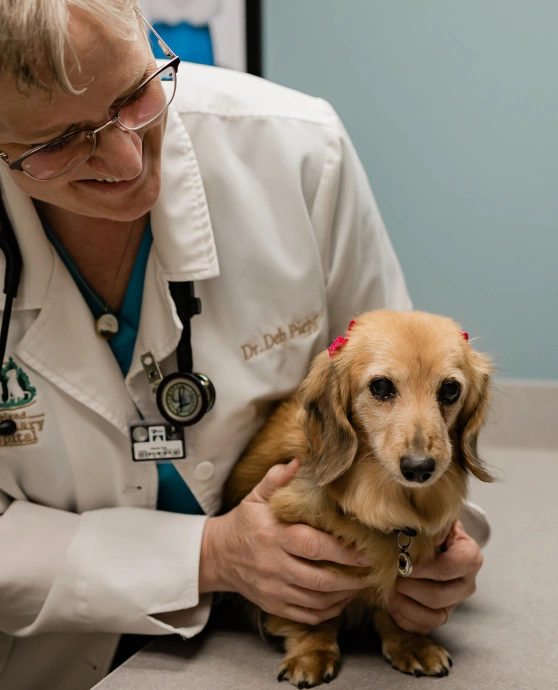
Caring For Your Senior Pet
In addition to the physical examination, the veterinarian will want to run several routine diagnostic tests to get a complete picture of your senior pet’s health.
Frequently, diagnostic tests recommended for senior pets include:
- Urinalysis tests a urine sample to reveal a pet’s overall health status. Urinalysis can detect many diseases that are more prevalent among seniors, including diabetes, liver disease, urinary tract infections, and more.
- Blood work can provide insight into the total health of the animal and diagnose common age-related conditions such as anemia, liver disease, diabetes, kidney disease, and more.
- Glaucoma tests gauge eye pressure quickly and painlessly. This test is important for senior pets, as glaucoma can lead to permanent blindness.
- Fecal tests can discover one of the most common health issues that pets face, parasites.
- X-rays give us an inside look at processes that are not observable by a physical examination or lab tests. X-rays help us to diagnose and monitor issues such as arthritis and cancer.
Is Your Pet a Senior?
Some large or giant breed dogs are considered seniors as young as the age of 5. Smaller dogs and cats may be considered seniors around the age of 8. The general health of your pet over their lifetime may make them seem older or younger, and some breeds tend to age faster than others.
Senior Pet Care Tips
In addition to bringing your senior pet to the veterinarian more often, the following tips can help keep them happy, healthy, and comfortable:
- Keep them warm. Senior pets feel cold faster and can catch a chill
- Stay active. Exercise can keep your pet young and trim at any age. As your pet ages, they might slow down a little, so it is not wise to push them, but moderate daily exercise will have many benefits for them. Keeping your senior pet active also helps prevent unwanted weight gain. Maintaining an ideal weight can help decrease the incidence and severity of arthritis.
- Be patient. As your pet age’s they might begin to have accidents again, or get confused more easily and find it difficult to follow commands. This is natural. Be patient with them and know that no matter what, they will always love you and look to you for comfort and protection.
If your senior pet exhibits any sudden changes in appearance or behavior, please call your veterinarian immediately.
