7372 Woida Rd N Baxter, MN 56425

How Veterinary Diagnostic Tests Help Explain Your Pet’s Health Changes

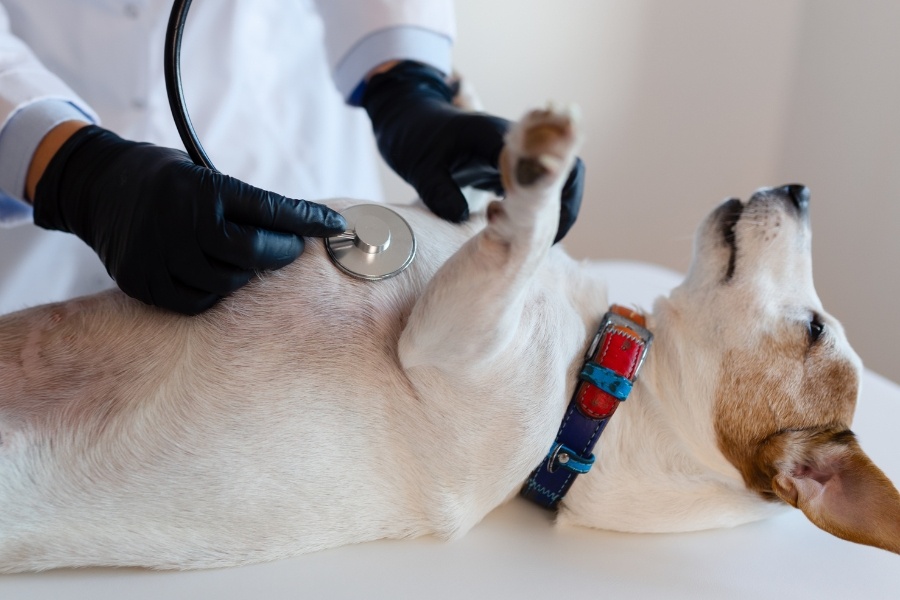
Maybe your cat has started hiding more often, your dog seems unusually thirsty, or your usually enthusiastic companion has lost interest in mealtime. Small changes like these can be difficult to interpret. They may be temporary, or they may signal a health concern that deserves a closer look.
Veterinary diagnostic tests help turn observations into useful medical information. Rather than relying on symptoms alone, veterinarians can use laboratory testing and imaging to investigate possible causes and decide whether further care is needed.
For pet owners in Baxter, MN, understanding pet diagnostic care can help make these conversations with your veterinarian more productive. Knowing what different tests can reveal—and what their results cannot tell you on their own—can help you better understand your pet’s health.
Start With the Changes You Notice at Home
You do not need to identify what is wrong before bringing your pet in. Your observations are simply the starting point for an evaluation.
A veterinarian may ask questions such as:
- When did you first notice the change?
- Is it happening more often or becoming more noticeable?
- Has your pet’s appetite, thirst, weight, or bathroom routine changed?
- Are there other signs, such as vomiting, coughing, or reduced activity?
- Has your pet started taking a new medication or eating something different?
These details help the veterinarian decide which possibilities to investigate. A physical examination adds more information, including changes in weight, hydration, breathing, or other measurable signs.
Testing may then be recommended to explore a particular concern. The goal is not to test for everything, but to gather the information most relevant to your pet’s situation.
What Can Veterinary Tests Tell Us?
Different tests examine different parts of the body. The veterinarian selects them based on the questions raised by your pet’s symptoms and examination.
Bloodwork Can Reveal Internal Changes
Blood tests provide information about blood cells, organ function, blood sugar, and electrolyte levels. A complete blood count examines red blood cells, white blood cells, and platelets, while a chemistry panel measures substances that can help assess internal organ function.
Bloodwork may be useful when a pet has unexplained tiredness, appetite changes, or weight loss. It can also help evaluate health before certain procedures or monitor an ongoing condition.
An unusual result does not automatically confirm a diagnosis. The veterinarian interprets the findings alongside your pet’s overall health and may recommend additional testing to clarify what they mean.
Urine Tests Offer Clues About Urinary Health
Changes in drinking and urination can provide important clues about a pet’s health. A urinalysis can assess urine concentration and identify substances or other findings that may indicate a concern.
For example, a pet who urinates more frequently or begins having accidents indoors may need further evaluation. Urine testing can help guide that investigation, although additional tests may be necessary depending on the findings.
Stool Tests Help Investigate Digestive Concerns
Loose stools, changes in bowel habits, or persistent digestive symptoms may prompt a veterinarian to recommend a stool test. These tests can help identify intestinal parasites and other specific concerns.
If your veterinarian requests a sample, ask how recently it should be collected and how to store it. Following the collection instructions helps ensure the sample is suitable for evaluation.
Imaging Helps Veterinarians Look Inside the Body
X-rays and ultrasound provide information that cannot be obtained from blood or urine samples alone.
X-rays can help evaluate bones and certain structures in the chest and abdomen. Ultrasound uses sound waves to create images of soft tissues and internal organs, including structures such as the liver, kidneys, and bladder.
The two methods serve different purposes. Your veterinarian may recommend one or both depending on the symptoms and what needs to be examined.
Why Test Results Need Context
A test result is one piece of a larger picture. Two pets with similar symptoms may need different evaluations because their ages, medical histories, and examination findings differ.
Sometimes, results help the veterinarian identify a likely explanation and recommend an appropriate care plan. Other times, initial testing rules out certain possibilities but does not fully explain the problem. In those situations, follow-up testing or monitoring may be the next step.
It is also possible for a test to fall within its expected range while a pet continues to show symptoms. That does not mean the symptoms should be ignored. Your veterinarian may consider when the sample was collected, how the condition is progressing, and whether another type of evaluation could provide more information.
When reviewing results, ask what they suggest, what remains uncertain, and what changes you should watch for at home.
Making the Most of Your Pet’s Diagnostic Visit
A little preparation can help your veterinarian understand the situation more clearly.
Keep a simple symptom record. Write down when changes occur, how long they last, and whether anything seems to make them better or worse.
Bring relevant medical information. Share medication names, supplements, previous test results, and details about any ongoing health conditions.
Ask about test preparation. Some tests may require fasting or a sample collected before the appointment. Follow the veterinary team’s instructions, and do not withhold food or water unless specifically directed.
Understand the next steps. Ask when results should be available, how you will receive them, and whether a follow-up appointment may be needed.
Lakeland Veterinary Hospital can help you discuss changes in your pet’s health and determine whether diagnostic testing may be appropriate.
Changes in your pet’s behavior or daily habits can be difficult to explain, but you do not have to figure them out alone. Veterinary testing provides additional information that helps connect symptoms with examination findings and guides decisions about further evaluation or care.
If your pet has developed unusual symptoms or you have concerns about changes in their health, schedule an appointment to discuss your observations and the next steps for your companion.
Frequently Asked Questions
Q1. Can diagnostic testing find the cause of every health change?
Ans: Not always. Some conditions require several types of testing or monitoring over time. Results help narrow down possible explanations, but they must be considered alongside symptoms and examination findings.
Q2. Are diagnostic tests appropriate for pets who seem healthy?
Ans: Certain tests may be recommended as part of preventive care or before a procedure. Whether screening is appropriate depends on the pet’s age, medical history, and individual health needs.
Q3. Should I wait to see whether my pet’s symptoms disappear before scheduling an examination?
Ans: That depends on the symptoms. Persistent or worsening changes deserve veterinary attention, while signs such as difficulty breathing, collapse, or severe pain require urgent care.
Q4. How does Lakeland Veterinary Hospital approach unexplained changes in a pet’s health?
Ans: The veterinary team can review your observations, perform an examination, and determine whether diagnostic tests may help investigate the concern.
Q5. Why might Lakeland Veterinary Hospital recommend another test after the first results arrive?
Ans: Initial results may identify a concern without fully explaining its cause. Additional testing may help clarify the findings or provide information that the first test could not offer.
Q6. What information should I share with Lakeland Veterinary Hospital before diagnostic testing?
Ans: Describe your pet’s symptoms, when they began, any changes in eating or drinking, current medications, and relevant medical history. These details help the veterinary team determine which tests may be useful.
Related Articles
