7372 Woida Rd N Baxter, MN 56425

Your Pet’s Surgery Journey: From Diagnosis to Recovery

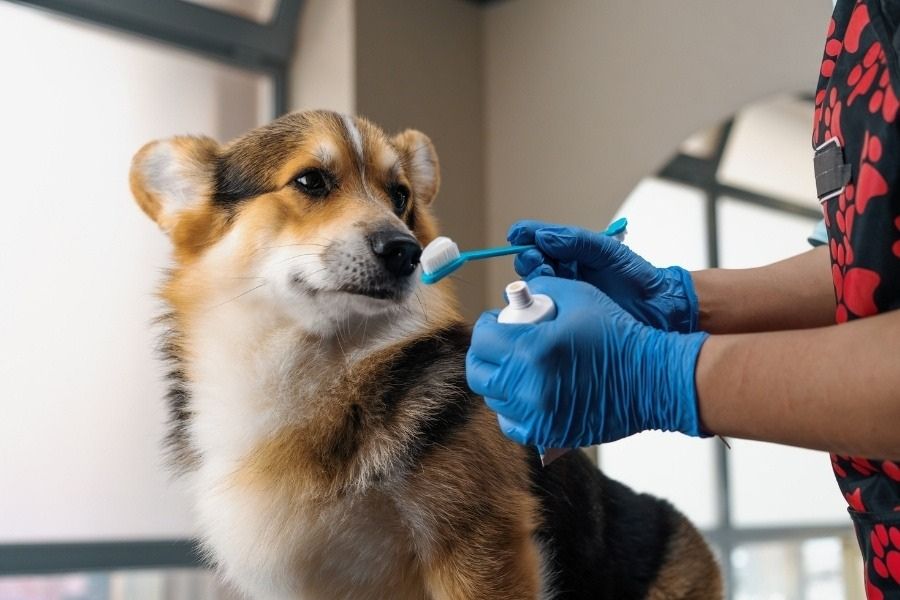
When your pet needs surgery, it is normal to feel worried about what will happen before, during, and after the procedure. Understanding the surgical journey can help you prepare, ask the right questions, and provide better support while your pet heals.
For pet families in Baxter, MN, having a veterinary team explain each stage of the process can make an unfamiliar experience easier to manage. Every pet and procedure is different, but knowing what to expect can help you feel more prepared for the decisions and responsibilities involved.
Veterinary surgery may be recommended for injuries, abnormal growths, internal health conditions, mobility problems, or other issues affecting your pet’s well-being. Your veterinarian will consider your pet’s diagnosis, age, medical history, and overall health when determining the most appropriate treatment.
Understanding the Diagnosis
A pet’s surgical journey usually begins with identifying the underlying health problem. Your veterinarian may perform a physical examination and ask about changes in appetite, behavior, energy, mobility, or other symptoms.
Depending on the situation, diagnostic testing such as bloodwork, X-rays, ultrasound, or other evaluations may be recommended. These tests can provide important information and help determine whether surgery or another treatment approach is appropriate.
Why Might Surgery Be Recommended?
Hearing that your pet needs surgery can be frightening, but procedures range from routine operations to more complex treatments. Your veterinarian should explain why surgery is recommended and what the procedure is expected to accomplish.
Before making a decision, ask about:
- The condition being treated
- The purpose of the procedure
- Possible treatment alternatives
- What could happen without treatment
- How to prepare your pet
- Expected recovery time
- Activity restrictions after surgery
Understanding the reasoning behind the recommendation can help you make informed decisions about your pet’s care.
Preparing for Surgery
Preparation begins before surgery day. Your veterinary team may provide instructions regarding food, water, medications, exercise, and arrival time. Follow these directions carefully.
Tell your veterinarian about all medications and supplements your pet receives. You should also report any new symptoms or changes in your pet’s health before the procedure.
Pre-Surgical Testing and Anesthesia
Pre-surgical testing may help the veterinary team evaluate your pet’s health and identify information that could affect treatment or anesthesia.
Anesthesia keeps your pet unconscious and still during surgery. Your veterinarian will consider factors such as your pet’s age, weight, health, medications, and the type of procedure when planning anesthesia. Your pet can also be monitored throughout the procedure and recovery period.
If anesthesia is a concern, ask your veterinarian to explain how your pet will be monitored.
What Happens on Surgery Day?
When you arrive, the veterinary team may review your pet’s medical history, confirm instructions, and perform a final examination. Once your pet is prepared, the procedure can begin.
The length of surgery varies depending on the procedure and your pet’s individual needs. An estimated timeframe may change if unexpected findings or additional safety considerations arise.
After the procedure, your pet will be monitored while waking from anesthesia. Sleepiness, reduced activity, or temporary unsteadiness can occur during early recovery.
Caring for Your Pet at Home
Once your pet comes home, recovery becomes an important part of your responsibility. Create a quiet, comfortable resting area and follow all discharge instructions.
Your pet may temporarily need to avoid:
- Running or jumping
- Climbing stairs
- Rough play
- Unsupervised outdoor activity
- Interaction with other pets
Even if your pet seems energetic, continue activity restrictions until your veterinarian approves a return to normal activity.
Medications and Incision Care
Give prescribed medications exactly as directed. Never give human medication unless your veterinarian specifically tells you to do so, because some medications can be harmful to pets.
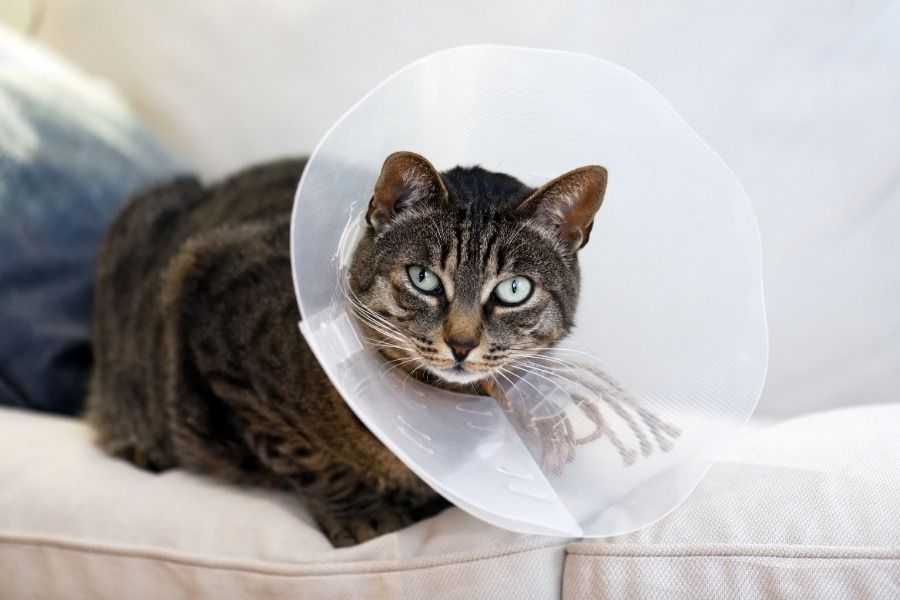
Your pet may also try to lick, scratch, or chew the surgical site. A protective collar or recovery garment may be recommended to prevent irritation and support healing.
Monitor the incision for significant swelling, bleeding, unusual discharge, or separation. Contact your veterinary team if you notice an unexpected change.
Appetite, Bathroom Habits, and Recovery
Your pet’s appetite, energy, and bathroom habits may temporarily change after surgery. Follow the feeding and hydration instructions provided by your veterinary team.
Contact your veterinarian if your pet has persistent vomiting, refuses food for an extended period, has difficulty urinating, experiences severe weakness, or develops other concerning symptoms.
Remember that feeling better does not always mean your pet is fully healed. Following activity restrictions can help protect the surgical site and reduce the risk of complications.
Follow-Up Care
Follow-up appointments allow your veterinarian to assess healing and determine whether medications or activity restrictions should continue. Additional examinations or testing may be recommended depending on the procedure.
Do not skip follow-up care simply because your pet appears to be recovering well. Professional evaluation can help ensure healing is progressing appropriately.
When Should You Call Your Veterinarian?
Contact your veterinary team promptly if you notice:
- Difficulty breathing
- Collapse or severe weakness
- Significant bleeding
- Severe or worsening pain
- Persistent vomiting
- Major swelling
- Unusual discharge
- Problems with the surgical incision
- Other unexpected or worsening symptoms
If you are unsure whether a change is normal, contact your veterinary team rather than trying to determine the cause yourself.
Helping Your Pet Recover
Every pet’s recovery is different. Age, health, procedure type, medical history, and individual healing can influence how quickly your pet returns to normal.
Keep your pet comfortable, maintain a calm environment, follow medication instructions, and provide quiet companionship. Consistent care and patience can make the recovery period easier.
For pet parents, understanding the process from diagnosis through recovery can make surgery feel less overwhelming. Lakeland Veterinary Hospital can provide guidance throughout your pet’s surgical journey and help you understand preparation, treatment, and postoperative care.
If your pet may need surgery, schedule an appointment to discuss your pet’s condition, treatment options, and what to expect during recovery.
Frequently Asked Questions
Q1. Why choose Lakeland Veterinary Hospital for veterinary surgery?
Ans: Lakeland Veterinary Hospital can guide pet parents through the surgical process, from understanding the diagnosis and preparing for the procedure to managing recovery and follow-up care.
Q2. How does Lakeland Veterinary Hospital prepare pets for surgery?
Ans: Lakeland Veterinary Hospital may review your pet’s medical history, perform a physical examination, recommend appropriate diagnostic testing, and provide specific instructions before the procedure.
Q3. What postoperative care can Lakeland Veterinary Hospital recommend?
Ans: Lakeland Veterinary Hospital can provide individualized guidance regarding medications, activity restrictions, incision monitoring, feeding, recovery, and follow-up appointments.
Q4. How should I prepare my pet before surgery?
Ans: Follow your veterinary team’s instructions about food, water, medications, exercise, and arrival time. Also, provide complete information about your pet’s health history and current medications.
Q5. How long does a pet usually take to recover from surgery?
Ans: Recovery varies depending on the procedure, your pet’s age, health, and individual healing process. Your veterinarian can provide a recovery timeline specific to your pet.
Q6. What should I watch for after my pet comes home?
Ans: Monitor your pet for significant bleeding, severe weakness, difficulty breathing, persistent vomiting, unusual discharge, severe pain, incision problems, or other unexpected changes. Contact your veterinary team if you are concerned.