7372 Woida Rd N Baxter, MN 56425

Beyond Bad Breath: Understanding Your Pet’s Dental Health

Your pet’s mouth can reveal important clues about their overall health. Although bad breath is one of the most noticeable dental warning signs, it is not the only one. Changes in chewing, eating, grooming, behavior, or interest in toys may also indicate that something is affecting your pet’s oral health.
For pet parents in Baxter, MN, paying attention to dental health can be an important part of routine wellness. Pets can sometimes adapt to oral discomfort and continue eating or behaving normally, making dental problems difficult to recognize without regular observation and veterinary examinations.
Pet dental care involves much more than addressing bad breath. It can include routine oral examinations, professional dental cleanings when recommended, appropriate at-home dental habits, and early attention to changes affecting the teeth and gums.
Why Bad Breath Matters
Persistent unpleasant breath should not always be considered normal. Bacteria, food particles, plaque, and tartar can contribute to odor and may affect the gums over time.
Because pets do not always show obvious signs of discomfort, dental problems can develop without attracting much attention. Instead of dismissing ongoing bad breath, consider it a reason to pay closer attention to your pet’s mouth and discuss persistent changes with your veterinarian.
How Dental Problems Develop
Plaque can form when bacteria and other material accumulate on the teeth. If plaque remains, it can harden into tartar, creating a rough surface where additional buildup can collect.
As buildup increases, the gums may become irritated or inflamed. These changes can happen gradually, which is why routine dental evaluations are useful even when your pet appears healthy.
Signs Your Pet May Have a Dental Problem
Pets may not always react dramatically when their mouths are uncomfortable. Instead, watch for subtle changes such as:
- Chewing more slowly
- Dropping food
- Favoring one side of the mouth
- Avoiding hard treats
- Reduced interest in toys
- Excessive drooling
- Changes in grooming
- Resistance to having the face touched
- Irritability or unusual behavior
A single change does not necessarily mean your pet has a dental condition, but persistent or unusual symptoms deserve veterinary attention.
Pay Attention to the Gums
Healthy teeth are only part of good oral health. The gums can also provide valuable clues.
Redness, swelling, bleeding, tenderness, or other visible changes may indicate that your pet needs an oral evaluation. Becoming familiar with your pet’s normal mouth can make it easier to recognize changes.
Never force your pet’s mouth open if they resist. A pet experiencing pain or fear may react unexpectedly.
Changes in Eating Can Be a Clue
Your pet’s eating habits can reveal more than you might expect. Watch for changes such as taking longer to finish meals, dropping food, chewing differently, avoiding certain textures, or showing discomfort while eating.
A reduced appetite can have many causes, so dental problems are only one possibility. However, changes specifically related to chewing or food texture should be mentioned to your veterinarian.
Home Dental Care Can Help
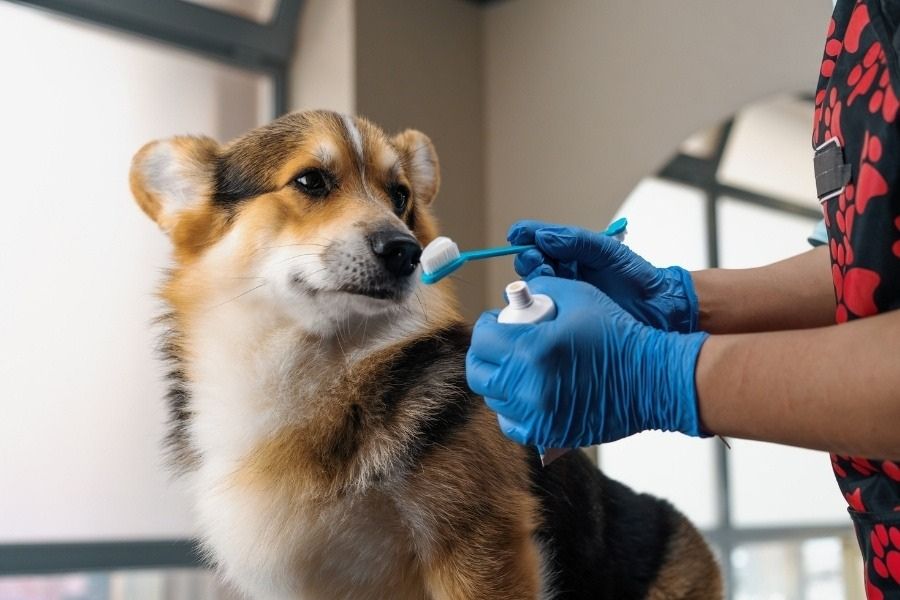
Daily dental habits can complement professional veterinary care. If your pet tolerates brushing, regular toothbrushing may help reduce plaque accumulation.
Introduce brushing gradually and allow your pet to become comfortable with the process. Your veterinarian can recommend appropriate dental products and explain how to use them safely.
Dental treats and chews may also be useful for some pets, but they should not automatically replace professional dental evaluations. Products should be selected based on your pet’s size, chewing habits, health, and individual needs.
Why Professional Dental Evaluations Matter
Even pets that receive regular home dental care can benefit from professional examinations. A veterinary evaluation allows the teeth, gums, and other structures of the mouth to be assessed more thoroughly.
If significant plaque, tartar, or another concern is present, your veterinarian may recommend professional dental cleaning or additional treatment. The appropriate approach depends on your pet’s age, health history, oral condition, and individual needs.
Dental Care for Puppies, Kittens, and Senior Pets
Dental care should begin early. Puppies and kittens can benefit from becoming comfortable with gentle mouth handling and appropriate dental routines as they grow.
Older pets may require additional monitoring because dental concerns can develop over time. Even if a senior pet continues eating normally, regular oral examinations remain valuable.
Dental needs can change throughout a pet’s life, so recommendations may need to change as well.
When Should You Contact Your Veterinarian?
Contact your veterinary team if your pet develops significant difficulty eating, persistent oral bleeding, facial swelling, severe mouth discomfort, or another sudden change involving the mouth.
Ongoing bad breath, altered chewing, or changes in eating habits should also be discussed during routine veterinary visits. Do not assume that a pet with a dental problem will stop eating completely. Some pets continue eating despite oral discomfort.
Making Dental Health Part of Routine Care
Supporting your pet’s oral health does not have to be complicated. Pay attention to breath, chewing, eating habits, gum appearance, and behavior around the mouth. Introduce appropriate dental care gradually and follow your veterinarian’s recommendations.
Routine wellness visits also provide an opportunity to monitor the mouth along with other aspects of your pet’s health. Addressing changes early may help prevent minor concerns from becoming more difficult to manage.
For pet parents in Baxter, maintaining consistent oral care can support healthier teeth and gums throughout every stage of a pet’s life. Lakeland Veterinary Hospital can help evaluate your pet’s dental health and recommend appropriate care based on their individual needs.
Your pet may not be able to tell you when something is wrong with their mouth, but changes in breath, chewing, eating, and behavior can provide useful clues. Paying attention to these signs and maintaining regular veterinary care can make dental health a more consistent part of your pet’s overall wellness.
Schedule an appointment to discuss your pet’s dental health and learn which oral care options may be appropriate for your companion.
Frequently Asked Questions
Q1. Why choose Lakeland Veterinary Hospital for pet dental care?
Ans: Lakeland Veterinary Hospital can evaluate your pet’s oral health during routine veterinary visits and provide individualized recommendations based on their teeth, gums, age, health history, and overall needs.
Q2. Can Lakeland Veterinary Hospital help with my pet’s dental problems?
Ans: Yes. Lakeland Veterinary Hospital can assess signs such as persistent bad breath, changes in chewing, gum abnormalities, or eating difficulties and recommend appropriate next steps based on the examination.
Q3. Does Lakeland Veterinary Hospital provide guidance for at-home dental care?
Ans: Lakeland Veterinary Hospital can help pet parents understand appropriate at-home dental habits and discuss products or techniques that may support their pet’s oral health between professional veterinary visits.
Q4. Is bad breath normal in dogs and cats?
Ans: Persistent bad breath should not automatically be considered normal. It can be associated with dental buildup or other oral concerns, so ongoing odor should be discussed with your veterinarian.
Q5. How can I tell if my pet has a dental problem?
Ans: Watch for persistent bad breath, red or swollen gums, drooling, difficulty chewing, dropping food, changes in eating habits, reduced interest in toys, or unusual behavior around the mouth.
Q6. How often should my pet receive a dental examination?
Ans: The appropriate frequency depends on your pet’s age, dental condition, health history, and individual risk factors. Your veterinarian can recommend a schedule that fits your pet.